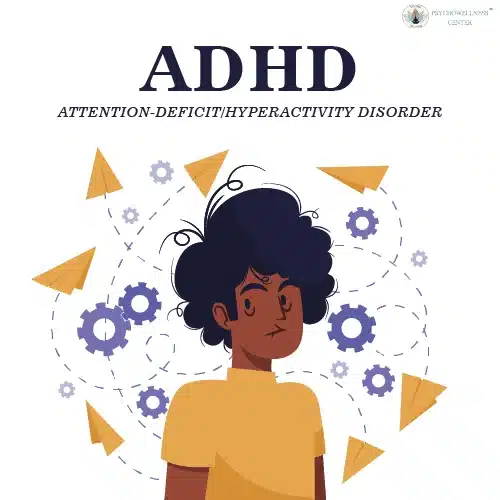
What is ADHD?
ADHD (Attention Deficit Hyperactivity Disorder) is a neurodevelopmental disorder that affects a person’s ability to concentrate, control impulses, and regulate behavior. This condition often occurs in children but can persist into adulthood.
The main symptoms of ADHD are:
- Inattention – difficulty concentrating, forgetfulness, problems with organization.
- Hyperactivity – restlessness, constant need to move.
- Impulsivity – sudden reactions, impatience, impulsive behavior.
Can cannabinoids like CBD and CBG help with ADHD?
In recent years, cannabinoids—especially CBD (cannabidiol) and CBG (cannabigerol)—have gained significant attention for their potential in alleviating ADHD symptoms. Although research in this area is still limited, some individuals have found these natural substances helpful.
How do CBD and CBG affect ADHD?
CBD and CBG interact with the endocannabinoid system (ECS), which regulates mood, stress, focus, and sleep. Their potential effects on ADHD include:
- Reducing anxiety and stress
- CBD is known for its calming and anxiety-reducing properties, which can help with impulsivity and restlessness.
- CBG may also assist in mood stabilization.
- Improving focus and attention
- Some studies and user experiences suggest that CBD may reduce "brain fog" and enhance the ability to concentrate.
- CBG has neuroprotective effects and may support brain function.
- Improving sleep quality
- People with ADHD often experience sleep issues. CBD has shown potential to improve sleep quality and help with falling asleep faster.
- Reducing impulsivity
- Since CBD has a calming effect, it may help individuals better control their behavior and reduce sudden reactions.
CBD vs. CBG for ADHD
- CBD is better known and more widely used, particularly for its calming effects.
- CBG is less researched but may have a stronger impact on focus and cognitive support.
What does science say?
Although preliminary studies and anecdotal reports suggest potential benefits of cannabinoids, CBD and CBG have not yet been approved as official treatments for ADHD. They are also not substitutes for established ADHD medications like methylphenidate (Ritalin) or lisdexamfetamine (Elvanse).
How to use CBD or CBG for ADHD?
If you’re considering their use, it is recommended to:
- Start with a low dose and monitor your body’s response.
- Use only high-quality, lab-tested products.
- Consult a doctor, especially if you are taking ADHD medication, to avoid potential interactions.
- CBD and CBG can be consumed in various forms, such as oils, capsules, and crystals. Crystals offer faster effects, as they are quickly absorbed by the body.
Conclusion
While CBD and CBG may help alleviate some ADHD symptoms, they are not medications and do not replace proven medical treatments. If you decide to try them, do so cautiously and under professional guidance. Future research may provide more clarity on their real effectiveness in treating ADHD.